
AI that only leaves when you say so.
Three services, sold separately: setting up the AI you already pay for, tools built for how your firm actually works, and the machine to run them on. For New Zealand firms whose work is confidential by obligation, not preference.



01
Get more out of what you already pay for.
Most firms are already paying for more AI than they use. A Microsoft 365 or Google Workspace subscription, a couple of ChatGPT or Claude seats, and almost none of the capability switched on. This is the work of finding what is already there, setting it up around how your firm actually works, and teaching the people who will use it. Nothing gets built and nothing new gets bought: it runs on the flat per-seat fee you are already paying rather than a metered bill that grows with use.
- An audit of what you already subscribe to, and what nobody has switched on
- Skills and instruction files carrying your templates and house standards
- Connectors pointed at what you already run: file share, inbox, job records
- The right model chosen per task, so routine work is not run on the dearest one
- Training your staff on their own work, and written up so it outlasts them
This is the cheapest thing here and it is meant to be tried first. If it solves the problem you do not need me to build you anything, and I would rather say so in week one than after a project.
Setup, skills and training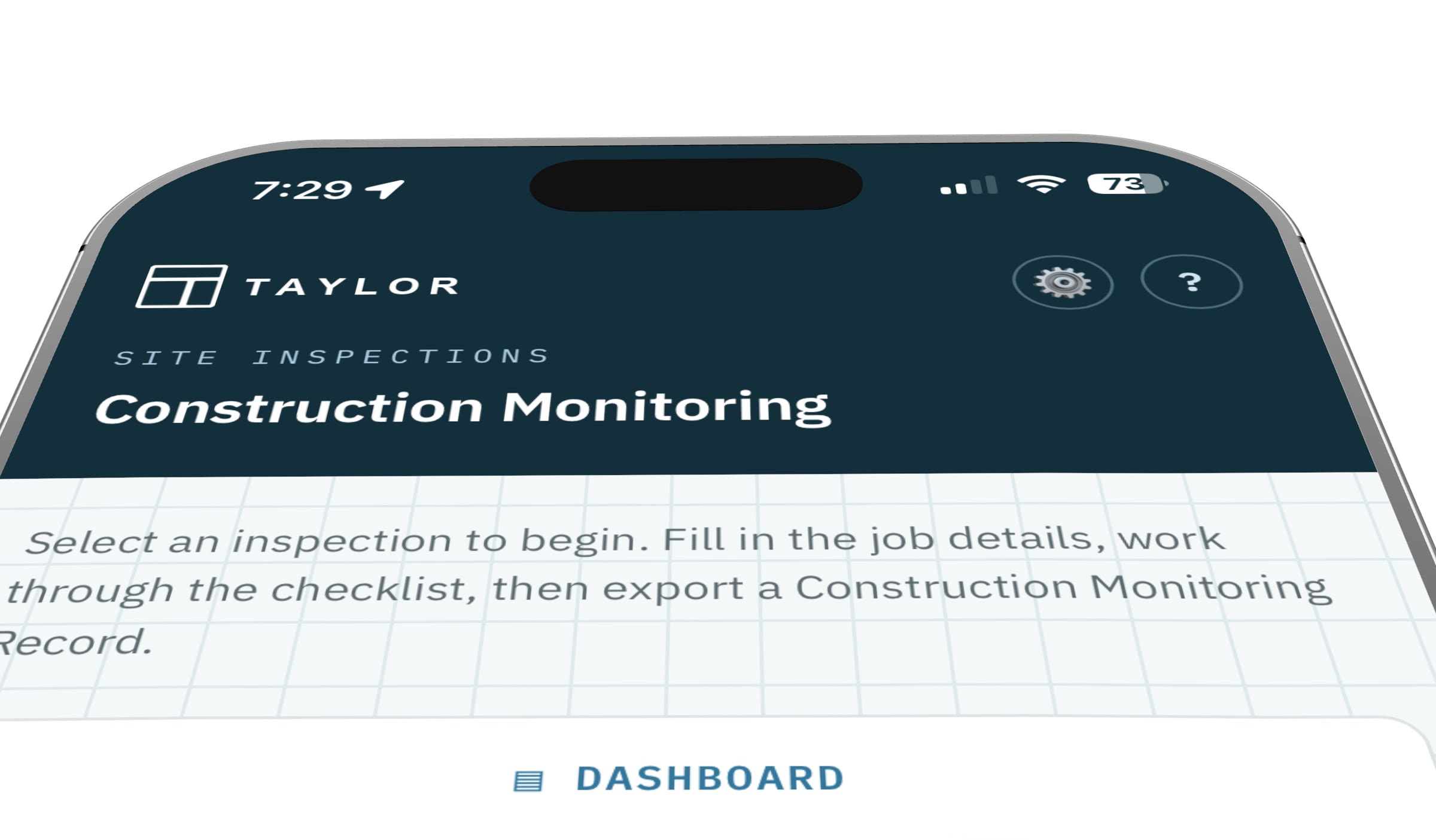
02
Tools built for your firm.
An engineer who builds the thing, not a vendor who sells you one. It starts with working out what your firm does all day and which parts of it a machine can take off you. That diagnosis is the job, and most of the value is in getting it right. Then the building: tools your staff open, retrieval over your own files, automations that run overnight. Where it runs is a separate decision, and it stays open.
- Custom tools: drafting, generation, structured output from messy inputs
- Retrieval tuned to your document set, so answers cite your own files
- A trained adapter, where house style is genuinely the problem
- Automations: email triage, report drafting, file routing, overnight jobs
- Integrations that point existing tools at a local or hosted model
Nobody here is being replaced. The work worth automating is the work nobody wanted in the first place: retyping a form that already exists somewhere else, hunting through folders for the one report that mentions a site, reading forty pages to find the paragraph that matters. That is not anyone's expertise. It is the tax they pay to get to it.
Technical consulting and tool building
03
Run it on your own machine.
Everything above, on a quiet box under a desk, sized against the models you actually intend to run rather than a spec sheet. Specified, installed, patched and supported. It ships sealed, with no outbound path to any AI provider at all, and opening one is a decision you make per message rather than a setting I choose for you.
- Sized against the models you intend to run, not a spec sheet
- Specified, built and installed, or you buy the hardware direct and I set it up
- Sealed on day one, hybrid only where you choose it, message by message
- Updates, patching, monitoring and support
- Staff training and handover documentation
Never sold on cost savings. Cloud API prices are falling, and that argument won't survive your accountant. It's sold on confidentiality, offline capability, and a bill that does not move with how much you use it.
On-premise hardwareWhat arrives, in order
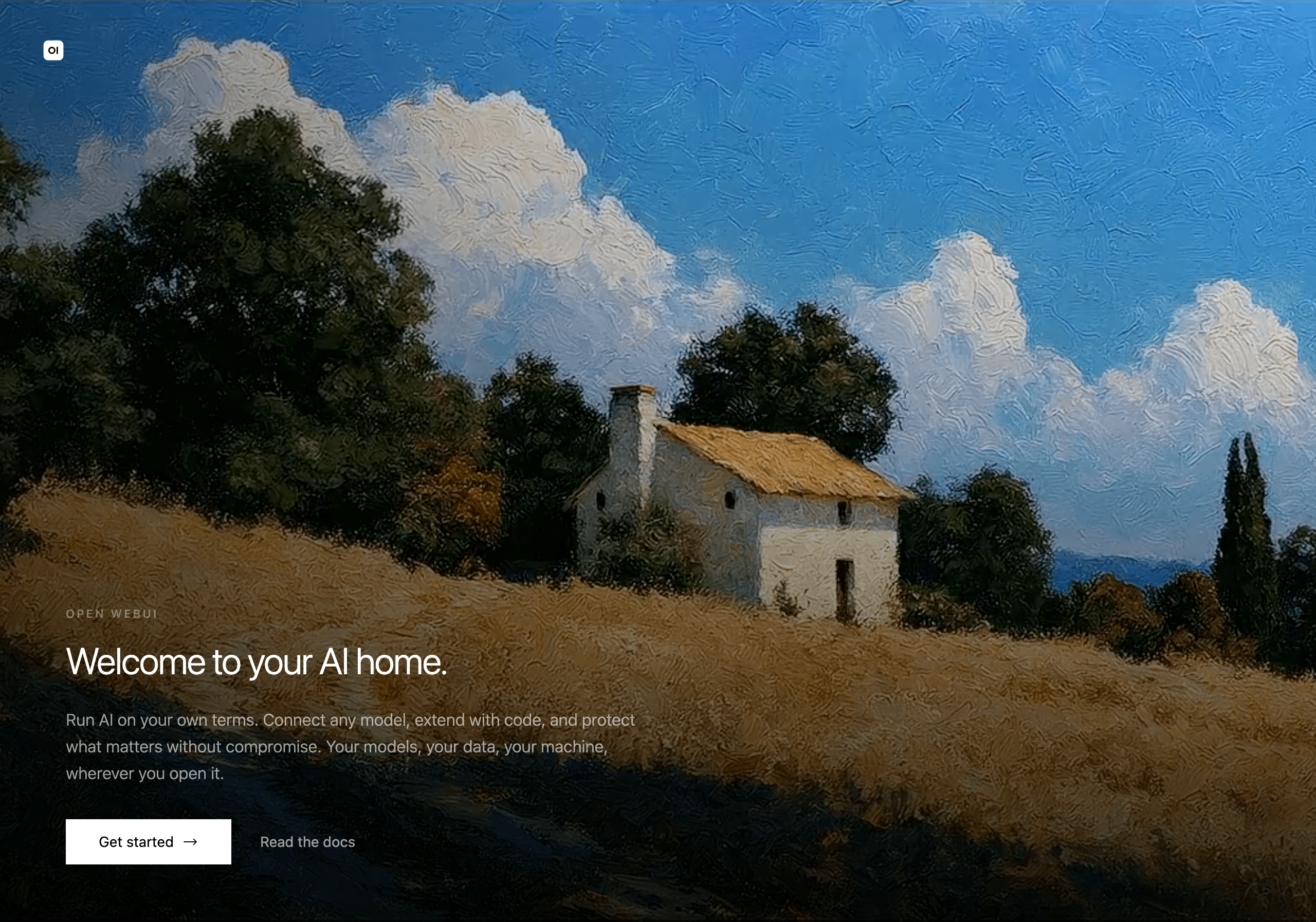
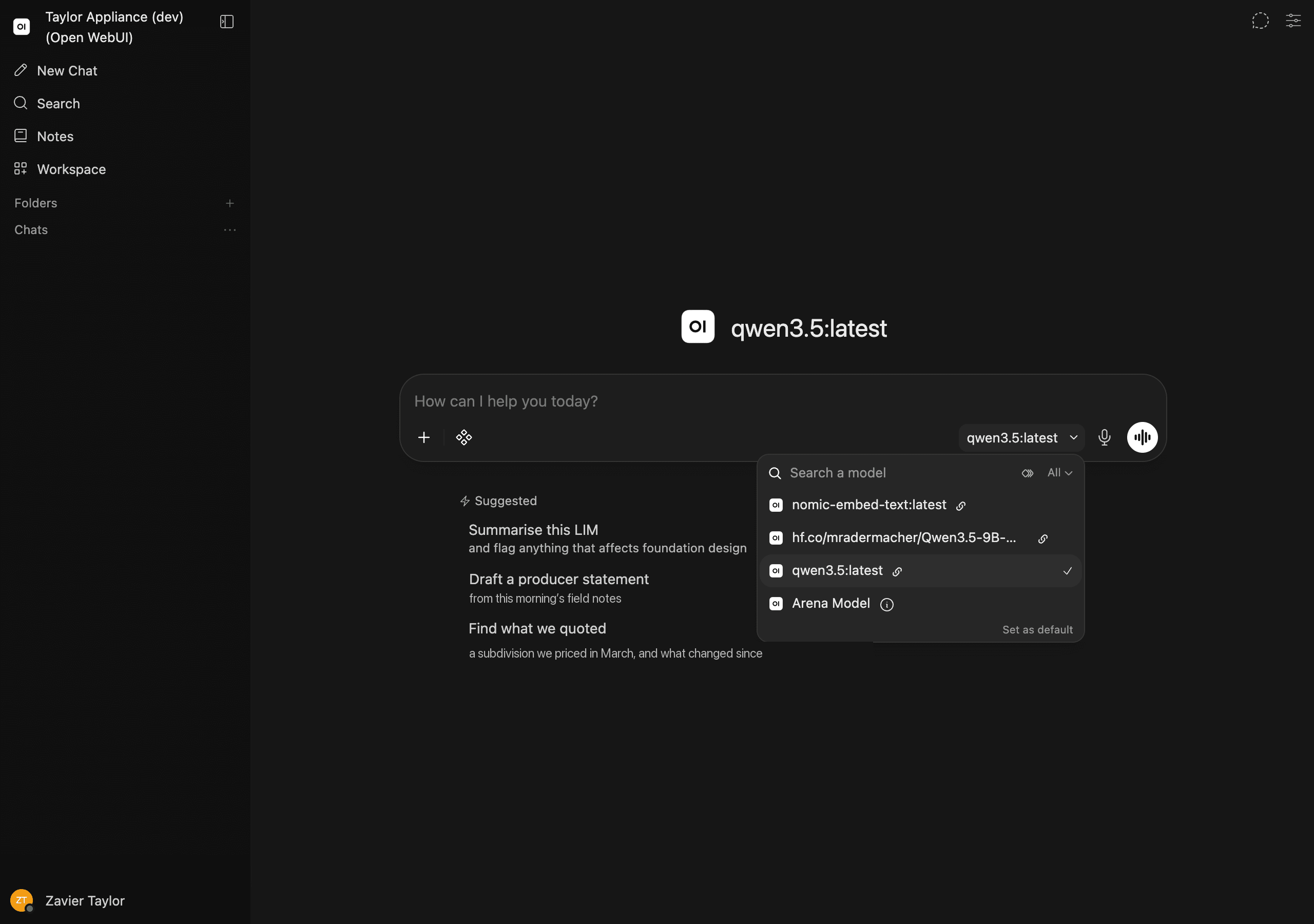
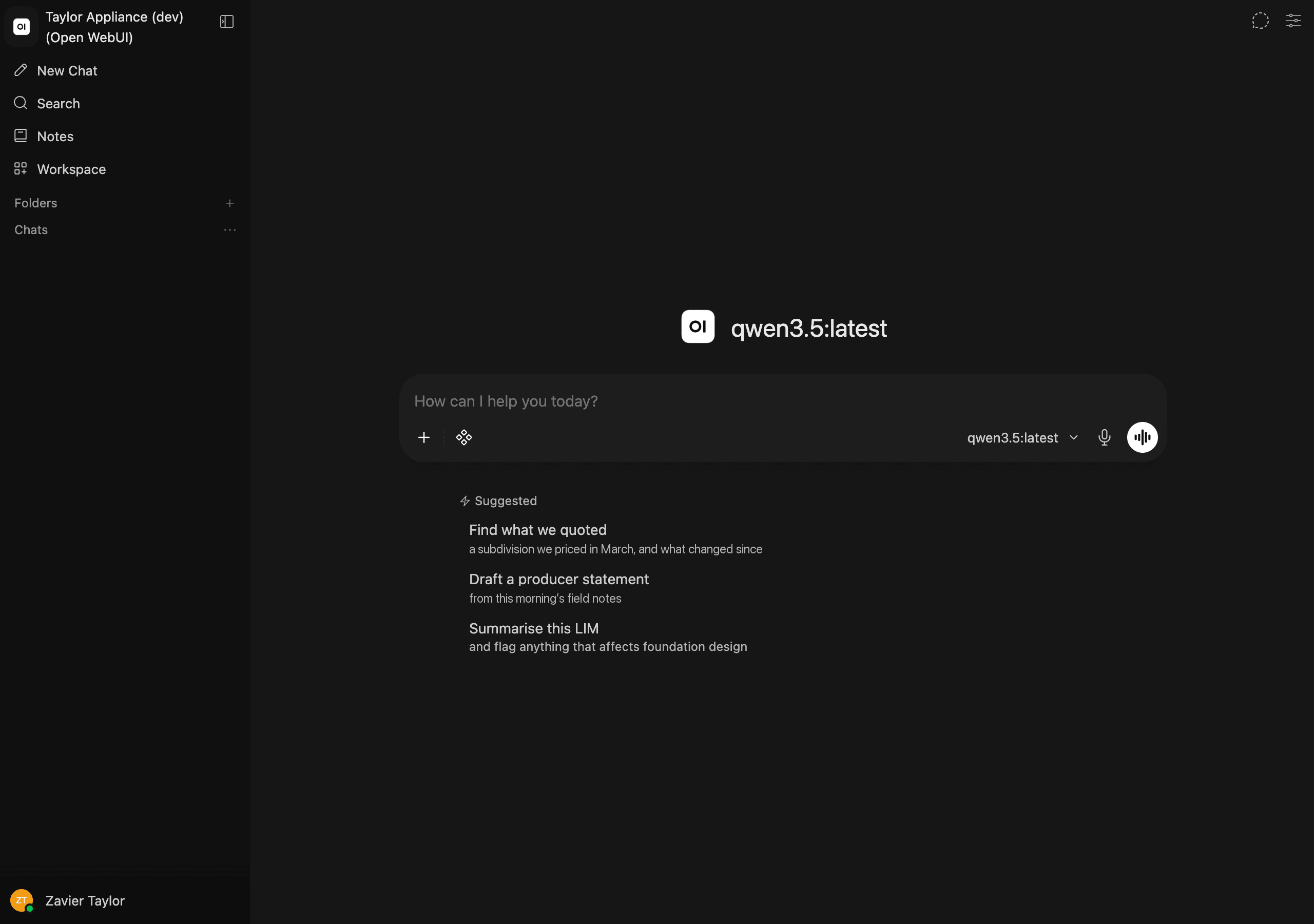
Writing
Everything here is argued, not asserted.
You’re being asked to make a technical bet you can’t easily verify. So the case is written down, with sources, including the parts that argue against it.
- ≈ o4-miniThe frontier–local gapWhat a 128 GB box actually runs. gpt-oss-120b fits and benchmarks around o4-mini: one generation behind frontier, comfortably ahead of what most office work needs.
- Fixed monthlyFalling prices, rising billsAPI prices are falling, but per-task spend is climbing as reasoning models emit more tokens. A box is immune to that blowout.
- 0 bytesWhy keep it in-houseNot a compliance requirement in New Zealand, but a risk-management choice. Keeping data in the office is the easiest way to discharge the obligation.

What it is, underneath
A model of your firm, held in your own building.
Your documents, the model trained on them, and the machine they both live on, all of it inside your own walls. Start with a conversation, not a quote: the first question is always whether you need any of this.